
To further strengthen Party branch development, thoroughly review work outcomes and experiences, and implement the primary responsibility of Party branch secretaries for Party building, the Party Committee of the College of Marine Science and Engineering held the 2025 Annual Work Review and Evaluation Meeting for Party Branch Secretaries on grassroots Party building on the afternoon of January 13. Hao Haiguang, Section Chief of the Organization Construction Section of the University Party Committee Organization Department, attended to provide guidance. Participants included members of the College Party Committee, Party branch secretaries, representatives from labor unions, the Communist Youth League, women’s organizations, directors of all departments and offices, and deputy secretaries of student Party branches. The meeting was presided over by Dong Chaoqun, Deputy Secretary of the College Party Committee. Aligning with the comprehensive reform initiative of “One University, One Policy” and the goals for pilot colleges implementing the moral education mechanism, all faculty and student Party branch secretaries delivered on-site work reviews focusing on four aspects: rectification of problems identified in the previous year, ideological and political development, organizational capacity building, and integration of Party building with professional work. They also conducted in-depth self-analysis, identified existing problems, and proposed corresponding improvement measures. Faculty Party branches mainly reported on fostering morality through education, organized teaching, and research work, while student Party branches focused on Party building guiding the integration of holistic education in five aspects, study atmosphere development, and scientific innovation practice. Secretary Wang Weiyi, on behalf of the College Party Committee, provided targeted comments on each of the 13 on-site work reports. In his concluding remarks, Secretary Wang Weiyi fully recognized the achievements made by all Party branch secretaries in grassroots Party building throughout 2025. Facing new situations and requirements, he put forward three expectations for the college’s grassroots Party building work. First, elevate political standing and strengthen the sense of urgency in theoretical learning. Political development must always be prioritized; the ideological work responsibility system should be strictly implemented to safeguard political and ideological security. It is essential to thoroughly study and understand the core principles of the Party’s innovative theories for the new era, especially in light of the national strategy for building a strong education country and the new requirements of the 15th Five-Year Plan, so as to continuously enhance political judgment, understanding, and execution, providing solid ideological support for the college’s development. Second, consolidate grassroots foundations and reinforce accountability for solid grassroots Party building. The clear principle of emphasizing grassroots work should be firmly upheld; standardized and standardized construction of Party branches should be steadily advanced, and organizational activity systems strictly enforced. The Party building evaluation mechanism should be improved to consolidate responsibilities. Attention should be paid to enhancing ideological and political work among faculty and students, responding promptly to concerns and resolving conflicts, so as to translate the Party’s organizational advantages into effective college governance and driving force for development. Third, focus on core tasks and strengthen the mission of guiding development through Party building. Adhere to promoting Party building around development and boosting development through Party building, and advance deep integration between Party building and key tasks such as teaching, research, talent cultivation, and social services. Efforts should be made to cultivate distinctive Party building brands to enhance influence and contribution. Active alignment with national strategies and regional development needs is required, particularly in implementing the “One University, One Policy” reform and supporting the construction of Shanghai as an international scientific and technological innovation center and shipping hub. Innovative paths for science and education should be explored to ensure high-quality development of all college undertakings driven by high-standard Party building. During the meeting, participants also conducted evaluations and scored the performance of all Party branch secretaries based on their work reports on grassroots Party building. This review and evaluation meeting offered a comprehensive inspection and systematic summary of the performance of the college’s faculty and student Party branch secretaries in 2025. It assessed work outcomes, clarified responsibilities, inspired new working ideas, and identified directions for improvement. Moving forward, guided by the Party’s innovative theories and closely following the national strategy for building a strong education country and the higher education requirements outlined in the 15th Five-Year Plan, the College Party Committee will fully fulfill its political responsibility for Party governance. It will deepen theoretical education, strengthen ideological defense lines, consolidate grassroots organizational foundations, and promote deeper integration between Party building and institutional development. With new achievements in Party building, the college will strive for higher-quality, more efficient, and sustainable progress in all undertakings.    翻译  翻译为 English    
Written by: Xu Jie
Photographed by: Xu Jie, Fan Xuanyu
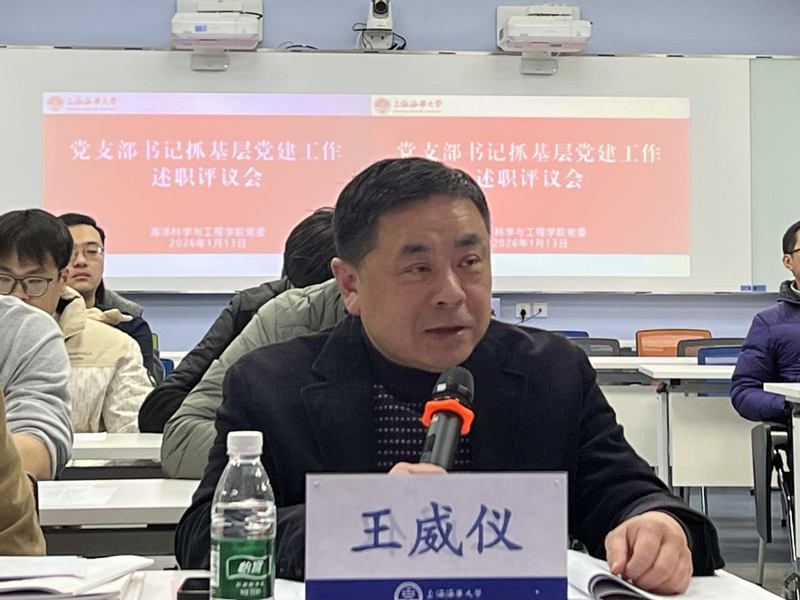
Figure 1 Secretary Wang Weiyi delivering a speech
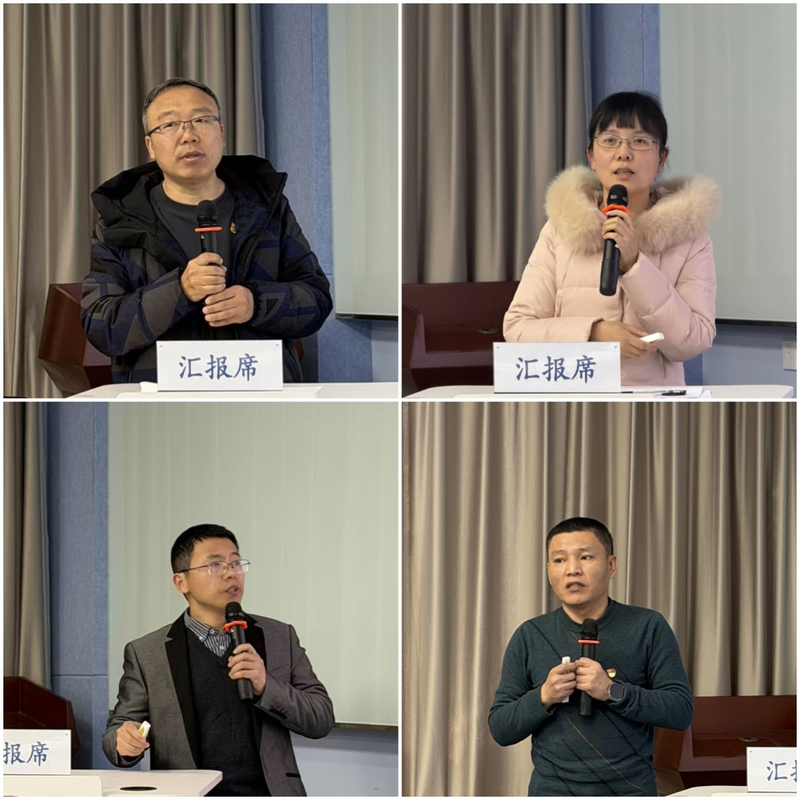
Figure 2 Faculty Party Branch Secretaries delivering on-site work reports
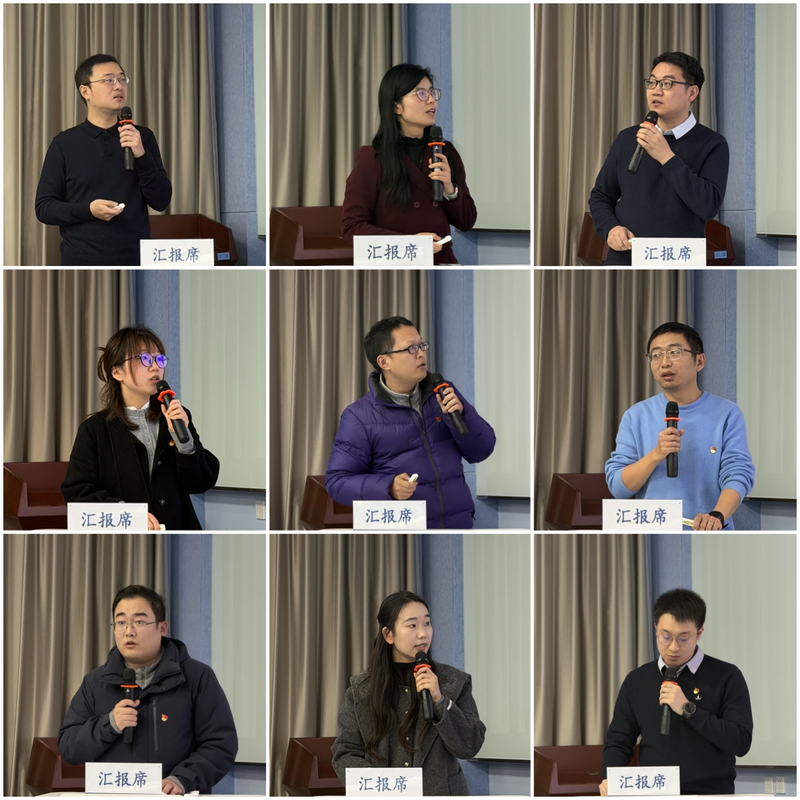
Figure 3 On-site Work Report by Secretaries of Student Party Branches
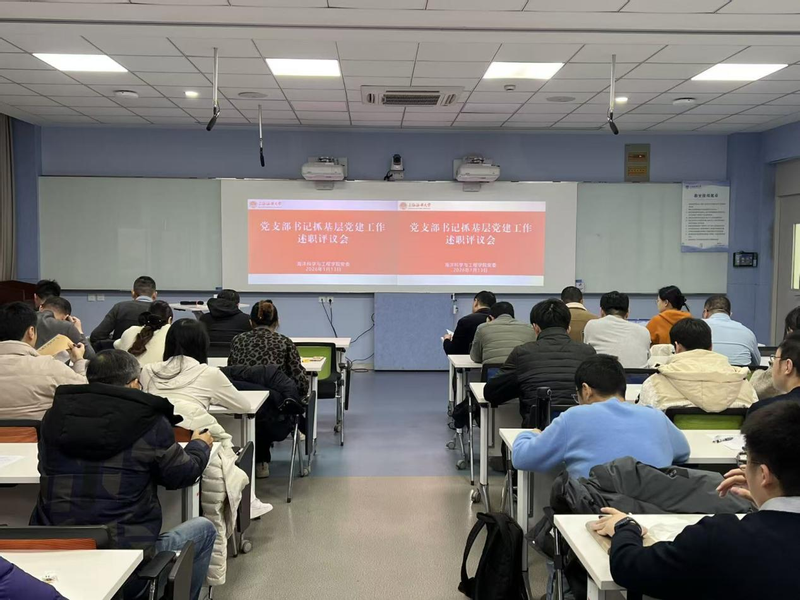
Figure 4 Scene of the Work Report Review Meeting